(508) 682-4217 · 715 State Rd, Plymouth, MA 02360
Maritime Physical Therapy

Personal Training in Plymouth

You finished therapy, felt good, and six weeks later the old ache started creeping back. It was not failure. It was the loading stopping. This is the bridge between discharge and the gym, so the progress you paid for actually holds.

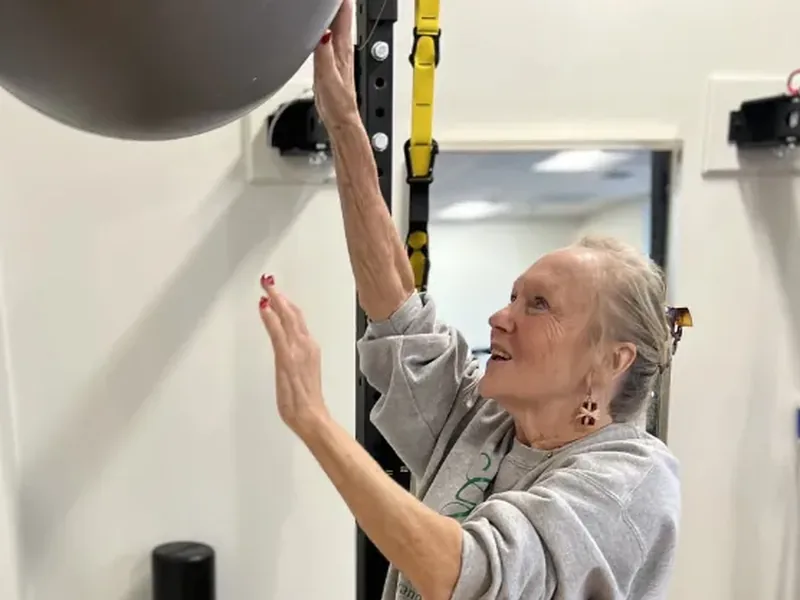
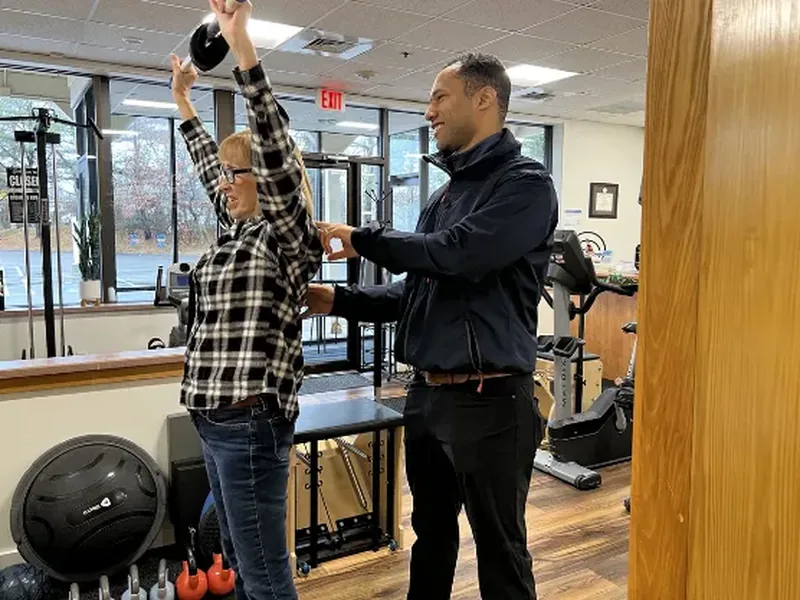
Doctor of Physical Therapy working one on one with a patient
01What It Is

What is personal training?

Discharge is the most fragile week of a recovery. The pain is gone, the plan of care is finished, and the loading that produced all of that change stops on the same afternoon. A month later the stiffness edges back and it is easy to read that as the injury returning rather than as the training stopping. Personal training at Maritime is the step that keeps that gap from opening. It is one on one strength work, in the same clinic, with clinicians who already know your case and know which movements you had to earn back. The work looks different from rehab because the goal is different. Rehab restores what the injury took. Training builds capacity past it, so the same demand that hurt you last year sits comfortably inside what you can now handle. Load goes up on a schedule, technique gets coached rep by rep, and sessions progress on the same reasoning your therapist used during treatment. It is not a class, and it is not a program handed to you on a card.

There is a real difference between rested it and rehabilitated it. There is a second difference between rehabilitated it and trained it, and most people stop at the first one. Every clinician here holds a Doctor of Physical Therapy degree, so the person adding weight to the bar is the same person who knows which tissue is still catching up. Sessions run 30 to 60 minutes, one on one, start to finish.

02Who It's For

Who is personal training in Plymouth for?

This is for people who are out of pain and do not intend to be back here in six months. It also suits anyone whose confidence has not yet caught up with what their body can actually do.

01

Just discharged and unsure what is safe

Your plan of care ended and the instructions got vague. You are guessing at weight, at reps, at whether a twinge means stop. We pick up the same file your therapist was working from and keep loading it on purpose. You stop guessing, and the ground you gained keeps rising instead of quietly draining away.

02

Back at the gym and flaring the same spot

You returned to exactly what you did before the injury, and the shoulder or the low back reminds you every session. Usually it is one technique detail and one jump in load, not the exercise itself. The lifts you like stay in your program, coached, so you stop trading a good week for a bad one.

03

Training for a season, a race, or a job

There is a specific demand ahead: a spring road race, a physical shift, a season with your team. We build backward from that demand instead of forward from a generic template. You reach the date able to do the thing, rather than hoping the thing goes well.

03What To Expect

What happens in a session?

Training runs the way clinic visits do: your own therapist, the full appointment, nobody splitting attention across the room. Here is how a session goes.

01

A screen and a starting number

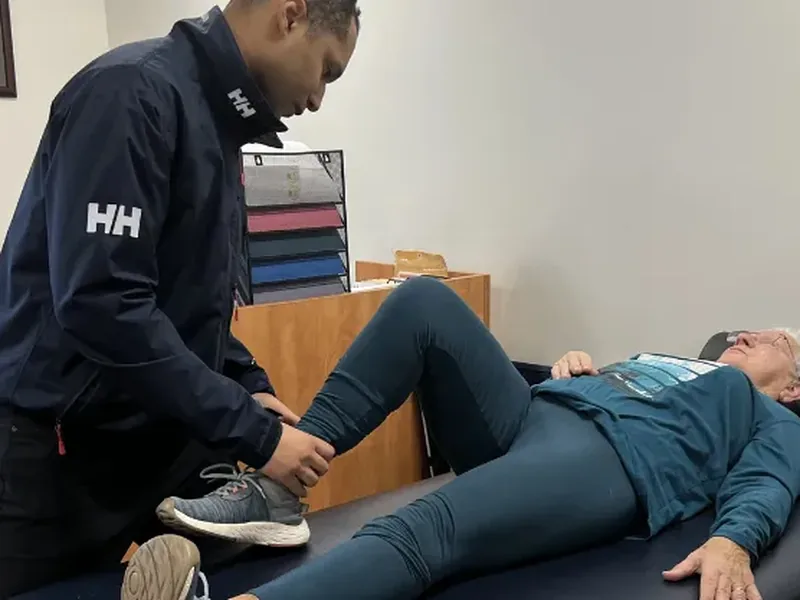
Whether you are coming off our own plan of care or arriving from somewhere else, we start by measuring: range, strength left against right, and how you tolerate load today. If you have not been treated here before, Massachusetts has direct access, so you can book an evaluation without a physician referral. Some insurance plans still require one for coverage, so we verify your benefits first and tell you where you stand.

02

The working sets

Sessions run 30 to 60 minutes, one on one with your doctor of physical therapy. You warm into the positions the screen flagged, then work the lifts, carries, and single leg work that build the capacity you are short on. Every set is watched. Weight goes up when the technique earns it, not because a calendar said week three, and the reason behind each choice is said out loud.

03

Reassessment and the weeks between

We re-measure so progress is a number rather than a feeling. Most patients notice improvement within about six visits, and a typical block runs 2 to 3 visits a week for 4 to 6 weeks before the plan gets rewritten. Rehab visits bill through insurance: we accept nine major carriers plus Workers' Compensation and auto injury claims, check your benefits before your first visit, and give you your copay in writing. Flat self-pay rates are available if you are not covered.

Good to know

Bring the shoes you actually train in, and tell us about anything a surgeon or physician has restricted, including lifting limits after an operation. If pain shows up that is new, sharp, or still there the next day, say so. That is a reason to reassess the plan, not a reason to push through it.

In Their Words
Great place. Modern equipment, strategies. Personable and professional team.
Matt S. · Google review
Explore More

Where to go next.

Request an Appointment

Ready when you are.

HoursMon-Thu: 7:20am - 6:00pm | Fri: 7:20am - 1:00pm
Walk-insCall ahead
Book your evaluation. No referral needed in Massachusetts.
Step 1 of 5
First things first. What's your name?
We'll need a name to book you in.
Best number to reach you?
A phone number lets us confirm same-day.
And your email?
We'll send your confirmation here.
What questions do you have about your pain or injury?
A few words is all we need.
Look right? Send it.
✓
Request received.

We'll call within business hours to lock in your time.

Book Now · Schedule Appointment