(508) 682-4217 · 715 State Rd, Plymouth, MA 02360
Maritime Physical Therapy

Gait Retraining in Plymouth

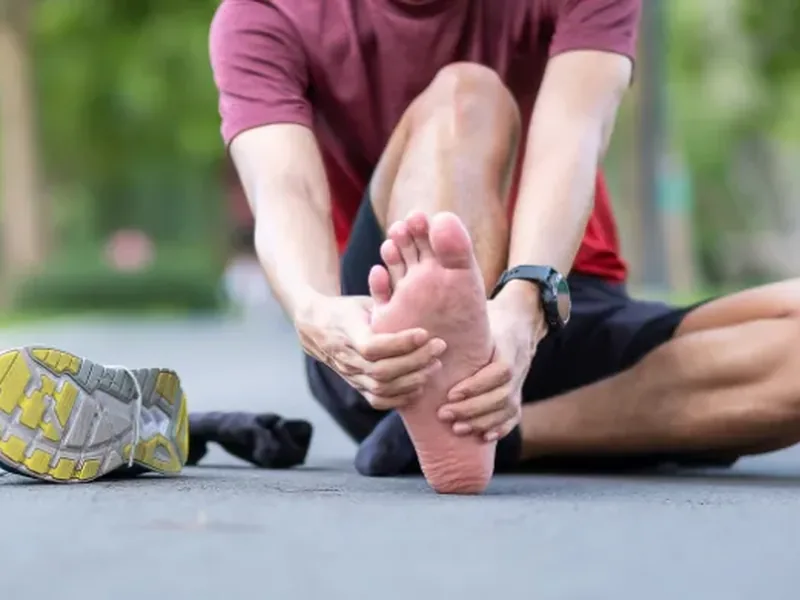
The knee hurts, but the knee is rarely where the problem started. Gait retraining watches how you actually walk and run, then corrects the mechanics quietly loading the wrong tissue every single step.

Doctor of Physical Therapy working one on one with a patient
01What It Is

What is gait retraining?

Walking is one movement repeated thousands of times a day, which is exactly why small faults in it get expensive. A hip that does not extend behind you. An ankle that will not bend far enough to let your body pass over the foot. A foot that collapses a beat too early. A knee that drifts inward the moment you take weight. None of those hurt on their own. Repeated a few thousand times a day, one of them hurts somewhere, and usually somewhere other than where the fault is. Gait retraining starts with watching. Your therapist observes you walk, and run if running is what you do, from the front, the back and the side, at your own pace and then at a pace that makes the compensation show itself. Then we hands-on test the joints and muscles that the observation implicated, because a limp is a symptom and the driver behind it is usually a stiff joint, a weak muscle, or a protective habit that outlived the injury that created it.

The retraining half is deliberate practice. Cadence, foot placement, where your trunk sits over your hips, how your arms swing. We change one variable at a time, with cues you can actually feel, then load the tissue that has to hold the new pattern together when you get tired. Changing how you walk is a motor skill, not a tip. It takes reps and feedback, not a single correction on the way out the door.


02Who It's For

Who it's for.

Gait retraining is for pain that keeps returning to the same spot, and for anyone whose walking changed at some point and never changed back.

01

Pain that returns every time you add mileage

You rehab the shin, the knee or the hip, it settles down, and it flares again within two weeks of building back up. That cycle usually means the tissue is fine and the loading is not. Finding the mechanic that keeps overloading it is what finally lets the mileage stick.

02

A limp that outlasted the injury

The ankle healed months ago but you still favor it without meaning to, and now the opposite hip has started complaining. Bodies hold onto protective patterns long after the reason is gone. We retrain the pattern itself so the compensation stops charging rent somewhere new.

03

Walking has quietly gotten slower and shorter

Your stride shortened, your pace dropped, and you only noticed because you stopped keeping up on a walk you used to lead. We find what is limiting the step, whether that is hip extension, ankle motion, strength or confidence, and train it back to where it should be.

03What To Expect

What to expect from gait retraining in Plymouth.

A walking analysis is an appointment, not an add-on. We accept Aetna, ASHLink, Blue Cross Blue Shield, Cigna, Fallon Health, Harvard Pilgrim, Mass General Brigham Health Plan, Medicare and Tricare, along with Workers' Compensation and auto injury claims, and we verify your benefits and give you your copay in writing before you come in.

01

Watching you move

Bring the shoes you actually walk or run in. Your therapist watches you from the front, the back and the side at your normal pace, then at a pace and distance that makes the compensation appear, because most gait faults hide beautifully when you are trying to look normal. We note what happens at contact, mid-stance and push-off on both sides. No physician referral is needed to book this in Massachusetts, though some plans still require one for coverage.

02

Testing what the walk implied

Observation raises suspects and hands-on testing convicts one of them. We measure hip extension, ankle dorsiflexion, big toe motion, single-leg control, and the strength of the muscles that should be doing the work but are not. Sessions run 30 to 60 minutes, one on one with your doctor of physical therapy, so you leave the first visit knowing which finding actually explains the pain.

03

Changing the pattern, then loading it

Next comes practice with real feedback. Cadence, foot placement, trunk position, arm swing, one variable at a time so you can feel the difference rather than take our word for it. Then we build the strength and mobility the new pattern needs in order to survive fatigue. Most patients notice improvement within about six visits, and typical care runs two to three visits a week for four to six weeks.

Good to know

Bring the shoes you actually train in, and a second pair if your walking shoes and running shoes differ, because the shoe changes what the foot does. Wear shorts or clothing that lets us see your knees and ankles move. One honest caveat: if your walking changed suddenly rather than gradually, or came alongside numbness, progressive weakness, or any change in bladder or bowel control, tell us when you book. Those point away from mechanics and belong with a physician first.

In Their Words
Jake is a wonderful physical therapist.
Kathie E. · Google review
Explore More

Where to go next.

Request an Appointment

Ready when you are.

HoursMon-Thu: 7:20am - 6:00pm | Fri: 7:20am - 1:00pm
Walk-insCall ahead
Book your evaluation. No referral needed in Massachusetts.
Step 1 of 5
First things first. What's your name?
We'll need a name to book you in.
Best number to reach you?
A phone number lets us confirm same-day.
And your email?
We'll send your confirmation here.
What questions do you have about your pain or injury?
A few words is all we need.
Look right? Send it.
✓
Request received.

We'll call within business hours to lock in your time.

Book Now · Schedule Appointment