(508) 682-4217 · 715 State Rd, Plymouth, MA 02360
Maritime Physical Therapy

Orthopedic Therapy in Plymouth

Something in the frame is not working, and it has gone on long enough that you have started planning your week around it. Orthopedic therapy finds the joint, muscle or tendon actually driving that, and treats it.

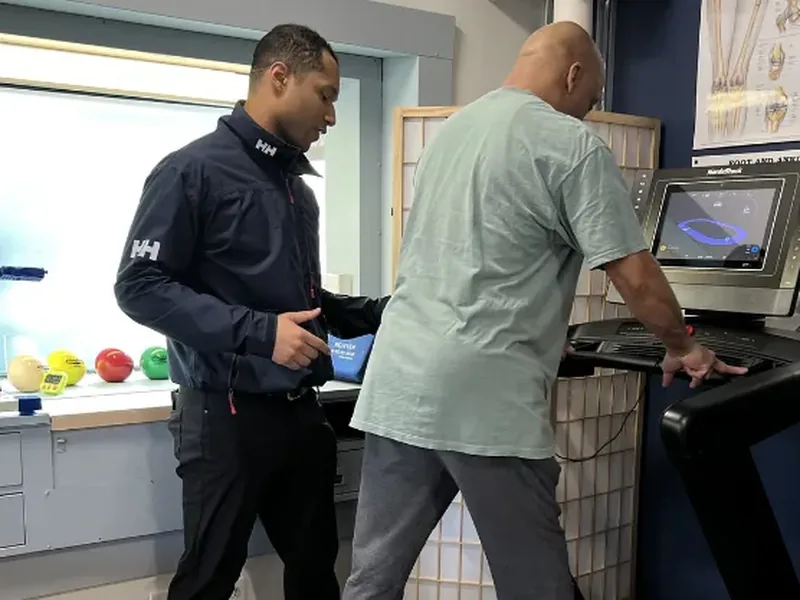
Doctor of Physical Therapy working one on one with a patient
01What It Is

What is orthopedic therapy?

Orthopedic therapy is physical therapy for the musculoskeletal system: bone, joint, muscle, tendon and ligament. It covers the ankle you rolled on Saturday and the hip that has been getting worse since 2019, and the approach is the same in both cases. Find the driver, then treat the driver. That distinction matters more than it sounds. The place that hurts is very often not the place that failed. A painful shoulder can trace back to a stiff mid back. A knee that aches on stairs can come from a hip that stopped producing force years ago. So the evaluation is not a quick point and press. Your Doctor of Physical Therapy tests range, strength, joint play and the loaded movements that actually provoke you, then tells you plainly what they found and what it will take. From there the plan follows a fixed order: Pain first, calming the tissue down with hands-on care and targeted movement. Prime next, restoring the range and the pattern that got you here. Perform, rebuilding real strength. Prevent, so it does not come back around.

You can start this without a physician referral. Massachusetts has direct access to physical therapy, so an orthopedic evaluation does not have to wait on someone else's schedule. Some insurance plans still require a referral for coverage, so we verify your benefits before your first visit and tell you exactly where you stand rather than letting you find out from a bill.

02Who It's For

Who is orthopedic therapy in Plymouth for?

Anyone whose problem lives in a joint, a muscle or a tendon. That covers most of what walks through the door in Manomet, from last week's injury to something you have been managing for years.

01

A fresh injury that has not settled

You rolled the ankle on the seawall, tweaked your back moving a kayak, or felt something go in the calf on a Tuesday run. Two weeks of ice and waiting has taken the edge off and left you limping. We calm the tissue, protect what needs protecting, and start loading it early enough that the joint does not stiffen while it heals. You get back on it sooner and with less left over.

02

Wear that built up over years

An arthritic knee that dictates which stairs you take. A shoulder that has quietly stopped going overhead. This did not happen on a single day, so nothing about it will resolve in a single visit either. We treat the stiffness by hand and rebuild the strength around the joint so it tolerates more of your day. Long standing does not mean permanent, and it rarely means untreatable.

03

An imaging report and a decision to make

You have a scan, a diagnosis, and a surgical option sitting in front of you. Most people want to know what conservative care can do before they commit to anything. We test what the joint can actually do today, treat it properly for a defined stretch of time, and reassess honestly. If you improve, that is your answer. If you do not, you go into that conversation with real information.

03What To Expect

What to expect in a session.

One therapist, one patient, the whole visit. Nothing gets handed to an aide and nothing gets lost between appointments. Here is how it runs.

01

A full hands-on evaluation

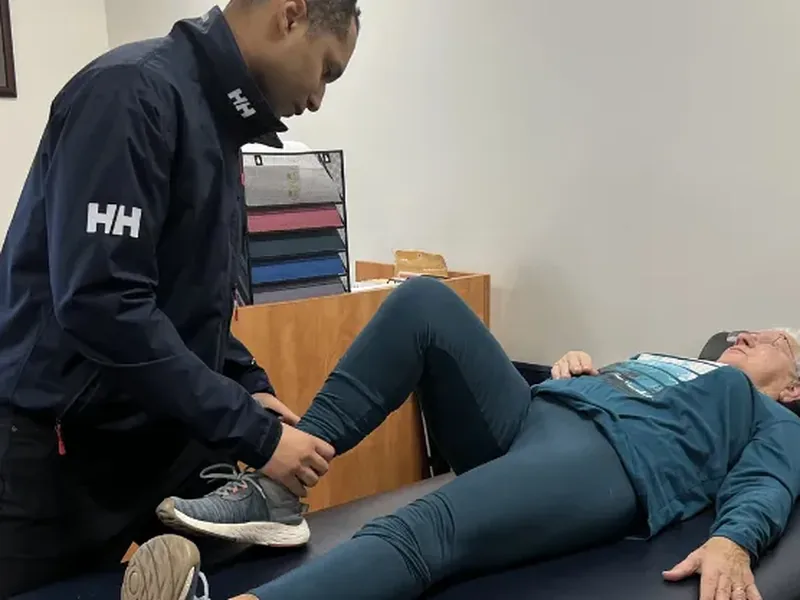
Your first visit is an evaluation, not an intake interview. Sessions run 30 to 60 minutes, one on one with a doctor of physical therapy, and this one is spent on history, then measurement: range at the joint, strength through it, how it responds to pressure, and what happens when you load the movement that provokes you. You leave visit one knowing what we found and what the plan is.

02

Hands on the problem, then load on it

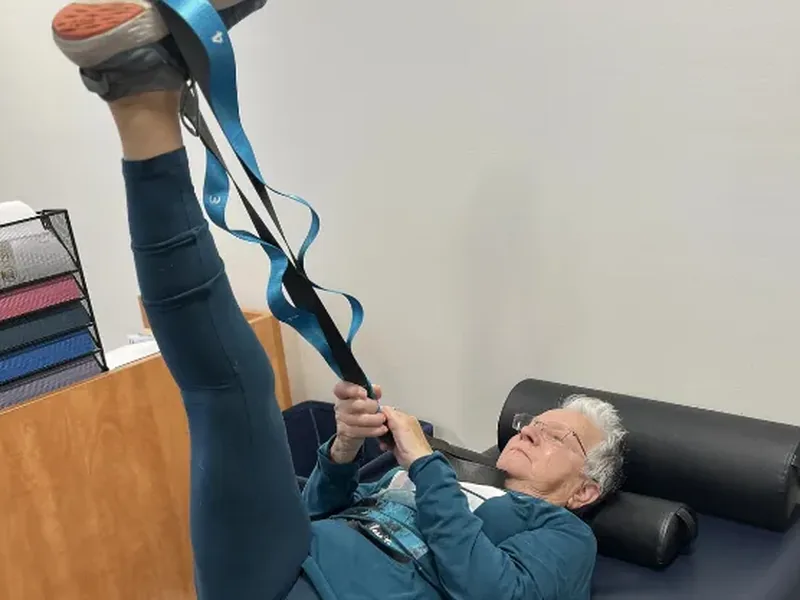
Follow-up visits pair skilled manual work with the exercise that makes it hold. Joint mobilization, soft tissue work and dry needling are used where the tissue needs quieting, and they are used because a test said so, not by default. Then you load, in front of your therapist, at a dose your tissue can handle today. The hands-on part buys the window. The loading is what fills it.

03

Reassessment and a real timeline

The measures we took on day one get retaken as you go, so progress is a number rather than an impression. Most patients notice improvement within about six visits, and a typical plan of care runs 2 to 3 visits a week for 4 to 6 weeks. Some cases run shorter and some run longer. Your therapist will tell you which one yours looks like as soon as there is evidence for it.

Insurance and coverage

We accept Aetna, ASHLink, Blue Cross Blue Shield, Cigna, Fallon Health, Harvard Pilgrim, Mass General Brigham Health Plan, Medicare and Tricare, plus Workers' Compensation and auto injury claims. Your insurance benefits are checked before your first visit and you get your copay and visit limits in writing. Flat self-pay rates are available if you are not covered. Bring any imaging reports you already have.

In Their Words
Maritime Physical Therapy is by far the best place I have been for PT. Alanna is top notch, she listens, explains everything throughly and truly cares.
Nancy V. · Google review
Explore More

Where to go next.

Request an Appointment

Ready when you are.

HoursMon-Thu: 7:20am - 6:00pm | Fri: 7:20am - 1:00pm
Walk-insCall ahead
Book your evaluation. No referral needed in Massachusetts.
Step 1 of 5
First things first. What's your name?
We'll need a name to book you in.
Best number to reach you?
A phone number lets us confirm same-day.
And your email?
We'll send your confirmation here.
What questions do you have about your pain or injury?
A few words is all we need.
Look right? Send it.
✓
Request received.

We'll call within business hours to lock in your time.

Book Now · Schedule Appointment