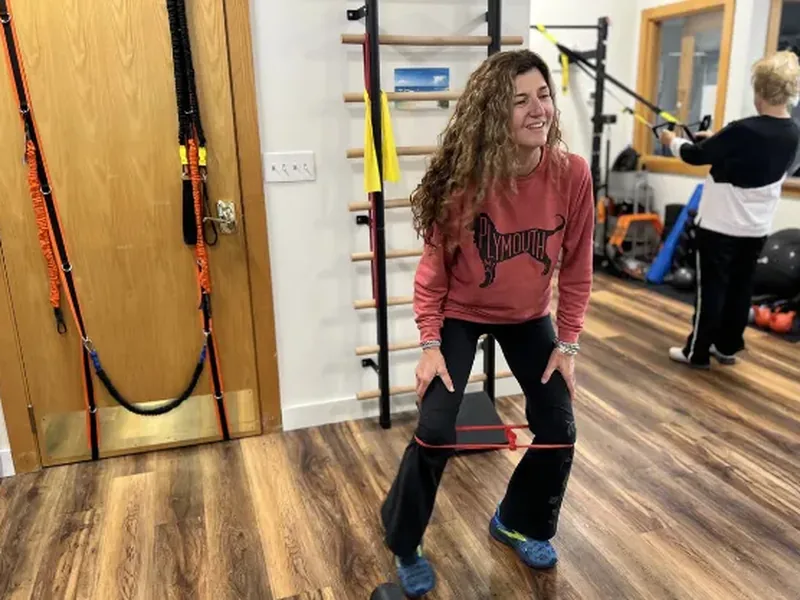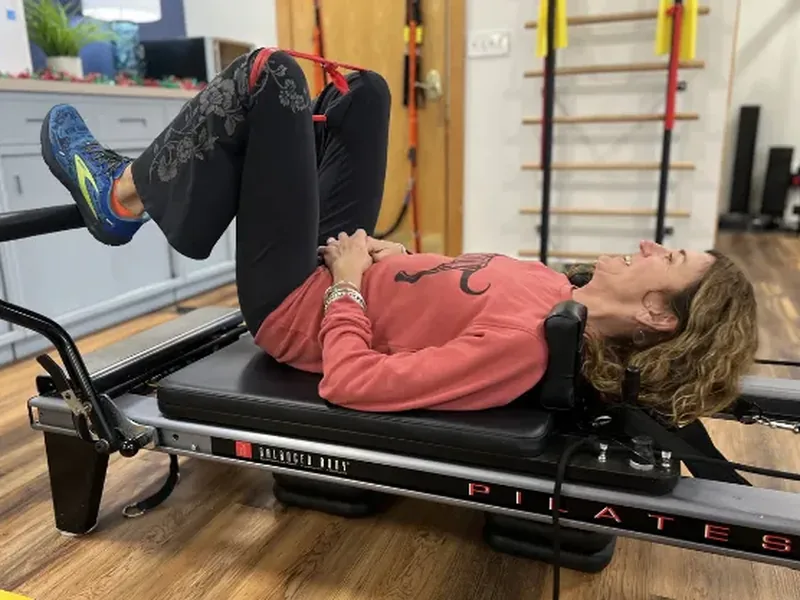
The ribs that ache by the third trimester, the pelvis that complains on the stairs, the body that still feels borrowed six weeks after delivery. Pre and postpartum PT in Plymouth treats pregnancy and recovery as things to be coached, not endured.

Pregnancy changes your body faster than almost anything else will, and the months after delivery are a rehabilitation process whether or not anyone framed them that way. Ribs flare. The pelvis takes load differently every few weeks. The abdominal wall stretches to make room. Sleep gets worse, and the advice you get is usually to wait it out. Pre and postpartum physical therapy is the alternative to waiting. During pregnancy we treat the pain that is treatable, low back and pelvic girdle pain, rib and mid back pain, hip pain that shows up rolling over in bed, and we keep you moving with strength work adjusted for each trimester. After delivery we assess the abdominal wall, the pelvic floor, the hips, and how you breathe and brace under load, then rebuild in an order that makes sense: control first, then strength, then the things you actually want to do. Dr. Brittney Mulligan works with pregnancy and postpartum patients, and with BRCA patients, here at the Manomet clinic.
You do not need a physician referral to begin. Massachusetts has direct access to physical therapy, so you can book an evaluation with us directly. Some insurance plans still require a referral for coverage, so we verify your benefits before your first visit and give you your copay in writing. We accept Aetna, ASHLink, Blue Cross Blue Shield, Cigna, Fallon Health, Harvard Pilgrim, Mass General Brigham Health Plan, Medicare and Tricare, along with Workers' Compensation and auto injury claims. Flat self-pay rates are available if you are not covered.
You do not need a complicated delivery or a dramatic symptom to qualify. If pregnancy hurts, or if the months since have not gone the way you expected, this is for you. These are the people we see most.
Your low back, pelvis or ribs started complaining somewhere in the second trimester and everyone told you it comes with the territory. Some of it does. Much of it responds to hands-on care and targeted strength work adapted to where you are right now. Outcome: you sleep, walk and work through the rest of the pregnancy with less pain, not more.
The six week visit came and went, you were cleared, and nothing about your middle, your pelvic floor or your posture feels like yours. We assess what actually happened to the abdominal wall and pelvic floor, then rebuild it in order. Outcome: you lift your child, carry the car seat and stand through a whole day without bracing.
You are planning a pregnancy, preparing for a delivery, or heading toward a surgery and would rather go in strong than react afterward. Preparation is the cheapest rehabilitation there is. Outcome: you arrive at the event with strength, breathing mechanics and a plan already in place, and you recover from a better starting point.
Sessions run 30 to 60 minutes, one on one with your doctor of physical therapy, in a private treatment room, and the first visit is a full hands-on evaluation.
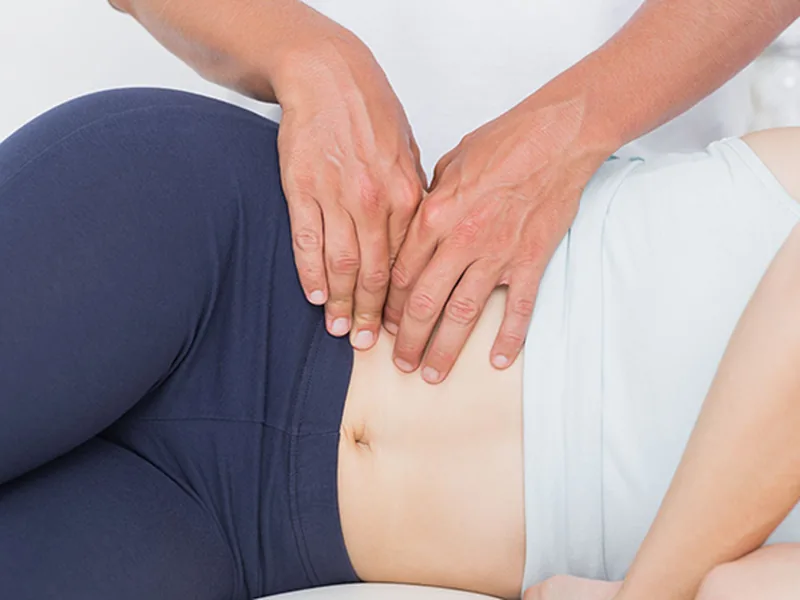
We start with the whole picture: how the pregnancy is going or how the delivery went, what hurts and when, any bladder or bowel changes, how you are feeding and carrying, how you are sleeping, and what you are trying to get back to. Then we assess movement, breathing, the abdominal wall, the hips and the pelvic floor as it relates to your goals. You decide what any examination includes.
Treatment usually pairs manual therapy for the joints and tissue that are irritated with strength and breathing work you can carry straight into your day. That means practising the positions that actually hurt: getting off the floor, lifting a toddler, pushing a stroller up a hill, rolling over in bed. Every exercise has a stated purpose you can repeat back.
You leave with a short home program and a clear idea of what the next few weeks look like. Most patients notice improvement within about six visits, and a typical plan of care runs two to three visits a week for four to six weeks. Your therapist reassesses as you go, so the plan follows your recovery rather than a fixed calendar.
Physical therapy works alongside your obstetric care, it does not replace it. Keep your prenatal and postpartum appointments, and tell us about any restrictions your provider has given you so we plan inside them. Stop exercising and contact your medical provider promptly if you have vaginal bleeding or fluid leakage, contractions or cramping that do not settle, a severe or persistent headache, vision changes, chest pain, shortness of breath at rest, calf pain or swelling on one side, fever, a wound that opens or drains, or reduced fetal movement. We are physical therapists, not physicians, and everything on that list is a medical question first.
Dr. Brittney is great and very knowledgeable about working with pregnant women. She’s approachable and makes the sessions fun and educational!

Private, consent-led treatment for leaking, pressure and pelvic pain, at a pace you set.

The graded path back to running and lifting once you are ready to load again.

The most common reason people find us, including the back pain that starts in pregnancy.