(508) 682-4217 · 715 State Rd, Plymouth, MA 02360
Maritime Physical Therapy

Neurological Rehab in Plymouth

The movements that used to be automatic now take all of your attention, and the ground feels less reliable than it did. Neurological rehab rebuilds balance, walking and motor control through patient, repeated practice.

Doctor of Physical Therapy working one on one with a patient
01What It Is

What is neurological rehab?

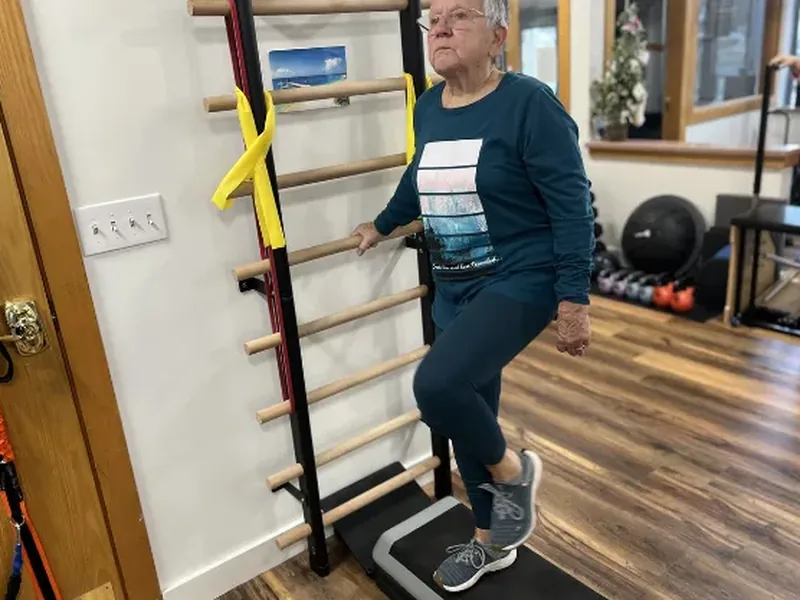
Neurological rehab is physical therapy for movement problems that come from the nervous system rather than from a torn or worn out tissue. After a stroke, or with a condition affecting the brain, spinal cord or nerves, the muscle is often willing but the signal reaching it is not what it was. Balance drifts. Walking becomes something you have to think about. One side does less than it used to and the other quietly compensates. The work is different from orthopedic rehab in one important way: the target is control, and control is built by repetition. Specific tasks, practised many times, at the edge of what you can currently do. That is what drives the nervous system to reorganise, and it is why the sessions here are structured around real activities, standing, turning, stepping over something, reaching outside your base, rather than around a machine. Progress is usually measured in what you can do without a hand nearby, and it tends to come in steps rather than a smooth line.

Massachusetts has direct access to physical therapy, so you can book an evaluation without a physician referral. Neurological cases are the ones where we most often want to be in contact with your neurologist or referring physician regardless, and some insurance plans require a referral for coverage, so we verify your benefits before your first visit and tell you exactly where you stand.

02Who It's For

Who is neurological rehab in Plymouth for?

Adults whose balance, walking or motor control has changed because of a neurological condition, and who are medically stable enough for outpatient care.

01

Life after a stroke

You have finished the hospital and the home health stage, and you are still working with a leg that drags a little and an arm that does not join in the way it should. Outpatient is where the fine detail gets built: standing on the affected side, controlling the knee through a step, walking further without watching your feet. Recovery keeps responding to practice long past the early months.

02

A condition that has changed your walking

Multiple sclerosis, Parkinson's disease, neuropathy or another diagnosis has quietly altered how you move, and you have started shortening your walks to match it. We work on the specific parts that have slipped, step length, turning, standing up, catching yourself, so that the day to day gets steadier. The condition is managed by your physician. What you can do with it is trainable.

03

Unsteady, and starting to avoid things

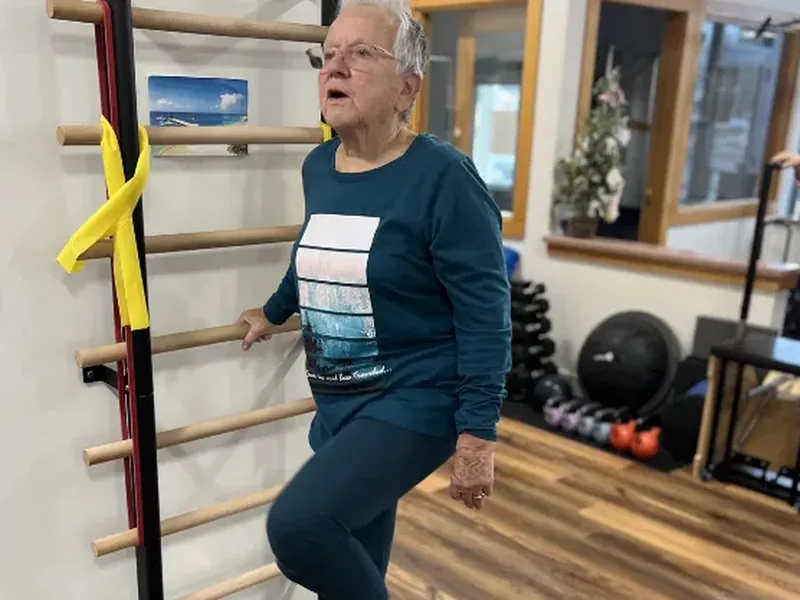
You have had a near miss on the stairs, or you have stopped walking alone because you no longer trust the ground. Avoidance protects you for a while and then costs you the strength and the balance you were protecting. We test where the balance is actually failing, then train it at a level that challenges you safely, with something to hold on to until you do not need it.

03What To Expect

What to expect in a session.

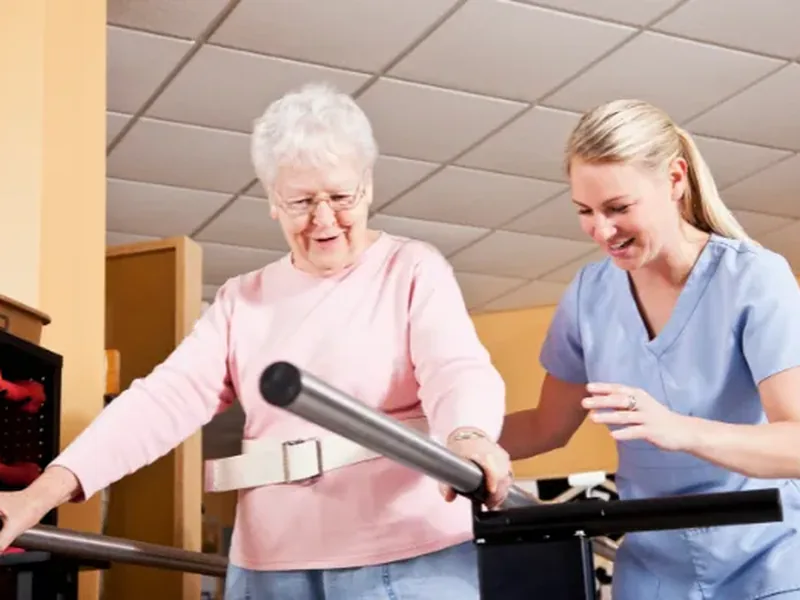
One therapist, the whole visit, with hands close by whenever the task calls for it. Bring a family member if they help you at home.

01

A careful first evaluation

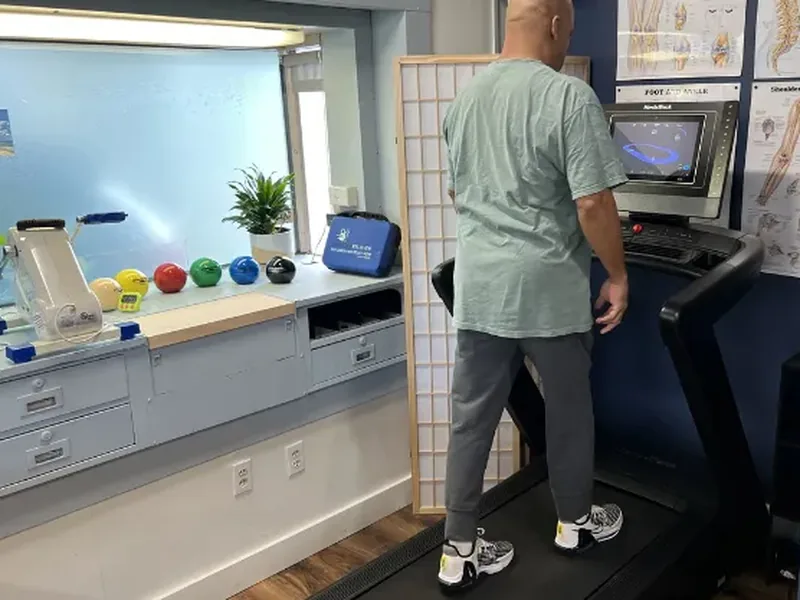
Sessions run 30 to 60 minutes, one on one with your doctor of physical therapy, and the first is spent understanding the whole picture: your diagnosis, your medications, your history of falls, and what your home actually looks like in terms of stairs and thresholds. Then we test. Standing balance, walking, strength, sensation, how you turn, how you rise from a chair, and what happens when you are gently challenged.

02

Repetition of the tasks that matter

Treatment is task practice at the edge of your current ability, with your therapist there to support you. Standing tolerance, weight shift onto the weaker side, stepping in different directions, turning, and walking with attention on the part that is slipping. Strength work and hands-on treatment are included where stiffness or weakness is limiting the pattern, because a tight ankle will hold back a good step every time.

03

Home program and honest checkpoints

You leave with a small number of exercises to practise daily, taught to whoever helps you if that applies. Most patients notice improvement within about six visits, and typical care runs 2 to 3 visits a week for 4 to 6 weeks. Neurological recovery often needs longer than that and it progresses in steps, so we retest regularly and tell you honestly what is changing and what is not.

Scope, precautions and your physician

This is outpatient physical therapy. We treat balance, walking, strength and motor control, and we do not manage the underlying neurological condition or its medications. Please bring your diagnosis, medication list, any surgical or post-stroke precautions you were given, and your neurologist's contact details, and expect us to coordinate with your referring physician when the plan needs it. Some presentations are better served by a specialist neurological program or a different level of care, and if yours is one of them we will say so and help you get there. Any new weakness, new numbness, sudden change in speech or vision, a fall with injury, or a rapid decline needs urgent medical attention, not a physical therapy appointment.

In Their Words
Easy to get appointments. Brittney spends the time it takes to get the therapy done. No rushing. She is knowledgeable and dedicated.
Robert K. · Google review
Explore More

Where to go next.

Request an Appointment

Ready when you are.

HoursMon-Thu: 7:20am - 6:00pm | Fri: 7:20am - 1:00pm
Walk-insCall ahead
Book your evaluation. No referral needed in Massachusetts.
Step 1 of 5
First things first. What's your name?
We'll need a name to book you in.
Best number to reach you?
A phone number lets us confirm same-day.
And your email?
We'll send your confirmation here.
What questions do you have about your pain or injury?
A few words is all we need.
Look right? Send it.
✓
Request received.

We'll call within business hours to lock in your time.

Book Now · Schedule Appointment