(508) 682-4217 · 715 State Rd, Plymouth, MA 02360
Maritime Physical Therapy

Lymphedema Treatment in Plymouth

The sleeve, the elevation, the evenings spent waiting for it to go down. Lymphedema is managed rather than cured, and managed properly it takes far less from your day than it does right now.

01What Causes It

What causes lymphedema?

Lymphedema is swelling that builds when the lymphatic system cannot clear fluid from a limb as fast as it arrives. It is a drainage problem, not a willpower problem, and it does not resolve on its own. Knowing why yours started is what shapes the plan, because the swelling after node surgery behaves differently from the swelling that follows years of vein trouble.

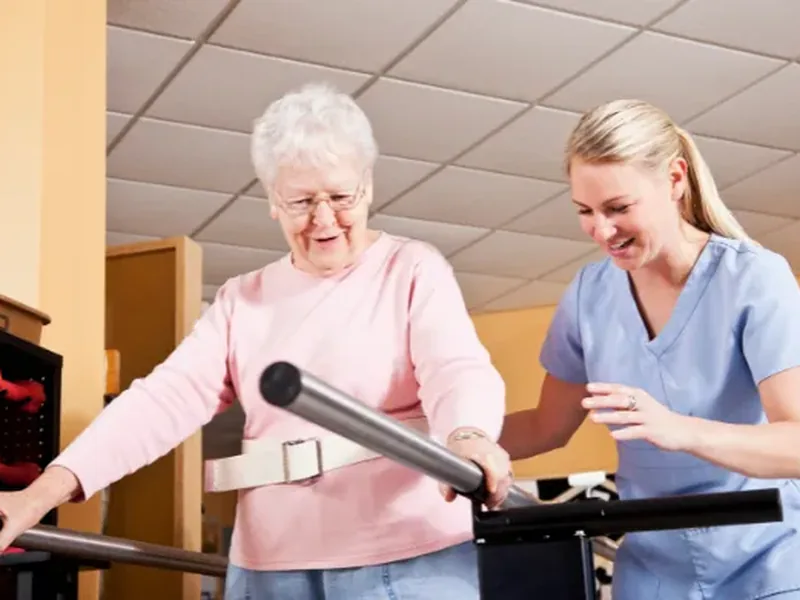
Physical therapist assessing swelling in a patient's lower legs

When lymph nodes are biopsied or removed, usually from the armpit or the groin, the drainage routes through that area are interrupted. Fluid that used to leave the limb easily now has fewer ways out. Swelling can begin weeks after surgery or years later, and it usually starts small: a ring that stops fitting, a sleeve that feels tight by evening, a heaviness at the end of the day. Catching it early matters, because tissue that has stayed swollen for a long time gets harder to soften.

Radiation does its job, and it also leaves scarring behind in the tissue it passes through. When that scarring involves lymph nodes or the vessels feeding them, drainage narrows. The first sign is often tightness across the chest, shoulder or hip rather than a limb that looks obviously bigger. Because the change is gradual, it is easy to talk yourself out of it. Measurement is what settles the question, so we measure the limb rather than judge it by eye.

When the leg veins stop returning blood efficiently, fluid pools in the lower leg and the lymphatic system has to carry more than it was built for. Over years that overload can damage the lymphatics themselves, and ordinary swelling becomes lymphedema. The skin thickens, the ankle loses its shape, and small wounds are slow to close. This kind of swelling responds to compression, calf muscle work and skin care, and the plan has to account for the veins as well as the lymphatics.

Cellulitis, a deep injury, or a limb that has barely moved for weeks can each overwhelm drainage that was already borderline. Infection is both a cause and a consequence here: swollen tissue is more prone to cellulitis, and every episode of cellulitis does further damage. That is why skin care and infection watch are part of the plan rather than an afterthought. Spreading redness, warmth, a rash or a fever means you call your physician the same day, not next week.

Primary lymphedema is less common and comes from lymphatic vessels that developed abnormally rather than from anything that was done to you. It can appear in adolescence, during pregnancy, or later in adult life, often in one leg, and it is frequently written off for years as weight or poor circulation. The cause is different from the surgical kind, but the management is largely the same: compression, movement, skin care, and a routine small enough that you keep doing it.
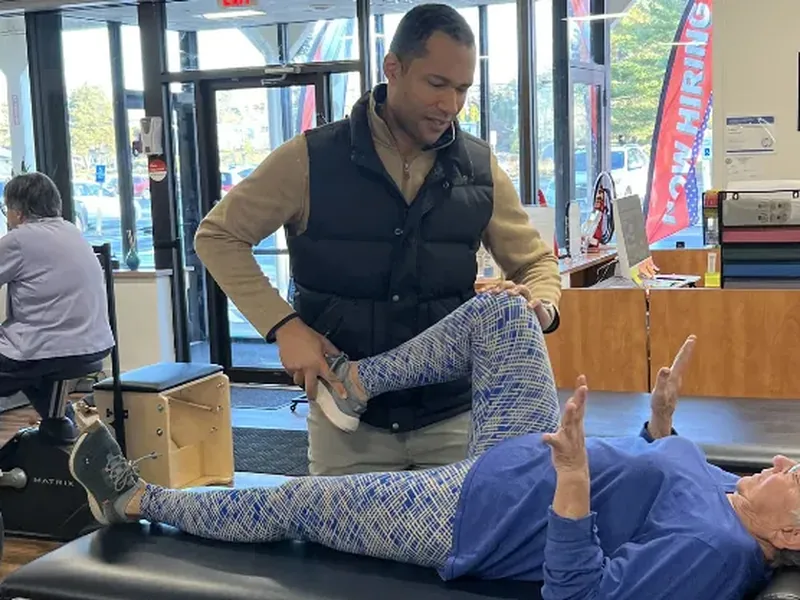
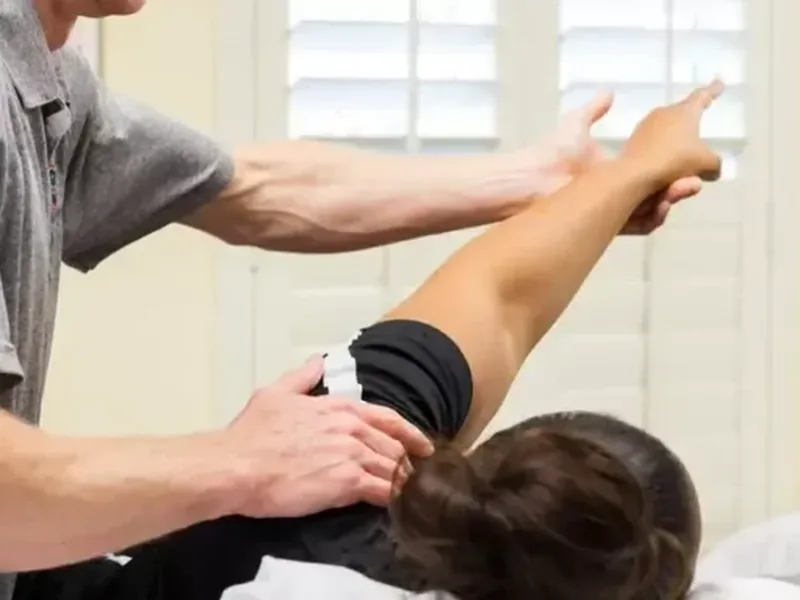
Physical therapist guiding a patient through a supported leg exercise on a treatment table
02How PT Helps

How physical therapy in Plymouth helps.

Start with the honest part. Lymphedema is managed, not cured. Nothing we do restores lymph nodes you no longer have. What treatment does is bring the volume of the limb down, soften tissue that has hardened, and hand you a routine that holds the gain, and that difference is a large one. It is the difference between a limb that dictates your clothes and your evenings and a limb you think about twice a day. The work is hands-on and practical. Gentle manual techniques that move fluid toward drainage routes that still work. Compression that is fitted and checked, because compression is what holds the result between visits. Movement and exercise, since muscle working inside a garment is one of the strongest pumps you have. Skin care and infection watch taught properly, because intact skin is the limb's best defense against cellulitis. And measurement at intervals, so progress is a number rather than an impression. Every session is one on one with a doctor of physical therapy, and the aim is that you leave able to run the routine yourself.

03What To Expect

What to expect from your care.

01

Evaluation and measurement

Massachusetts has direct access, so you can book without a physician referral. Some insurance plans still require one for coverage, so we verify your benefits before your first visit and tell you exactly where you stand. We accept nine major carriers plus Workers' Compensation and auto injury claims, with flat self-pay rates if you are not covered. The visit starts with your history, a look at the skin, and measurements of the limb we can compare against later.

02

Bringing the volume down

Sessions run 30 to 60 minutes, one on one with your doctor of physical therapy, and the first is a full hands-on evaluation. Early visits focus on reducing the limb: manual techniques that move fluid toward routes that still drain, compression that is fitted and adjusted rather than guessed at, and exercise done inside the garment so your own muscles do the pumping. We remeasure as we go so you can see what is working.

03

Holding the gain

Most patients see improvement within about six visits, and a typical plan of care runs two to three visits a week for four to six weeks. The end point is not a cure, it is you running the routine without us: your compression, your movement, your skin care, and a clear list of the signs that mean you call your physician the same day. We check in and adjust as your limb changes.

In Their Words
Dr. Brittney is great and very knowledgeable about working with pregnant women. She’s approachable and makes the sessions fun and educational!
Jackie P. · Google review
Related Conditions

Swelling is rarely the only thing changing.

Request an Appointment

Ready when you are.

HoursMon-Thu: 7:20am - 6:00pm | Fri: 7:20am - 1:00pm
Walk-insCall ahead
Book your evaluation. No referral needed in Massachusetts.
Step 1 of 5
First things first. What's your name?
We'll need a name to book you in.
Best number to reach you?
A phone number lets us confirm same-day.
And your email?
We'll send your confirmation here.
What questions do you have about your pain or injury?
A few words is all we need.
Look right? Send it.
✓
Request received.

We'll call within business hours to lock in your time.

Book Now · Schedule Appointment