(508) 682-4217 · 715 State Rd, Plymouth, MA 02360
Maritime Physical Therapy

Pelvic Pain Treatment in Plymouth

You have been told it is normal, or stress, or something you will get used to. Pelvic and lower abdominal pain is none of those things, it is treatable, and you decide what happens at every step of your care.

01What Causes It

What causes pelvic pain?

The pelvis is a working structure: muscles, joints and nerves that carry load, control the bladder and bowel, and coordinate with your hips and low back every time you stand up. When one part of that system stops doing its job, pain shows up. Naming the driver is the first real step.

Person holding their lower abdomen in discomfort

A muscle that stays switched on behaves like a fist that never opens. In the pelvic floor that can feel like a deep ache, pain with sitting, burning that comes and goes, or trouble fully emptying the bladder or bowel. Most people respond by trying to strengthen it, which makes a tight muscle tighter. The work runs the other way: down-training, breathing that lets the floor lengthen, and hands-on release of the hip and abdominal muscles holding the same tension.

The opposite problem is just as real. When the pelvic floor cannot generate force, or fires out of sequence with the deep abdominals, the pelvis loses support under load. That shows up as heaviness, leaking with a cough or a run, and an ache that builds through the day. Squeezing harder is not the answer. Timing is. We retrain the floor to work with your breath and your hips instead of bracing against them.

The pelvic floor attaches to the same bony ring as your hips and your low back, so pain rarely stays in one lane. A stiff hip, an irritated sacroiliac joint, or a low back that has been guarding for months can all refer pain into the pelvis and groin. Looking at the pelvic floor alone can miss the driver, so we assess the whole girdle, including how you walk and how you load a single leg, before deciding what to treat.

Carrying a pregnancy changes how the pelvis takes load, and birth, whether vaginal or by cesarean, asks a great deal of the same tissues. Pubic bone pain, pressure, pain with intercourse, or a floor that still feels unreliable months later is common, and common is not the same as untreatable. Dr. Brittney Mulligan works with pregnancy and postpartum patients here. Being told to wait it out is not a plan. We start where you are, at a pace you set.

Cesarean, hernia repair, hysterectomy, prostate surgery, endometriosis excision: any incision through the abdomen or pelvis heals with scar tissue, and scar tissue does not glide the way healthy tissue does. Months or even years later that restriction can pull on the muscles and nerves around it and produce pain that feels unrelated to the original operation. Gentle work over and around the scar, paired with movement that restores glide, often changes symptoms that had seemed permanent.

When pain lasts beyond normal tissue healing, the nervous system gets better at producing it. The area turns more sensitive, protective muscle guarding sets in, and ordinary sensations start to register as threat. That does not mean the pain is imagined. It means the treatment target has widened to include how sensitive the system has become. Graded exposure, breathing, and a plan that never pushes past what you agreed to are how that sensitivity settles.
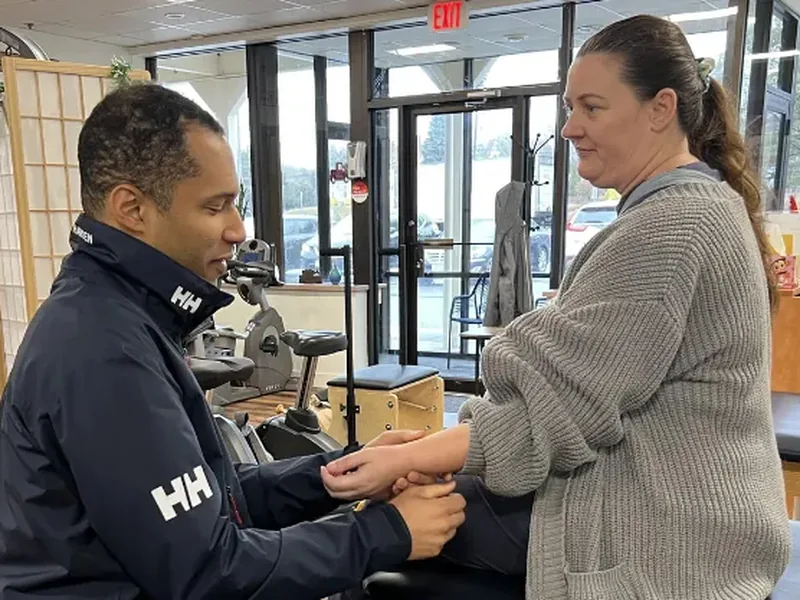
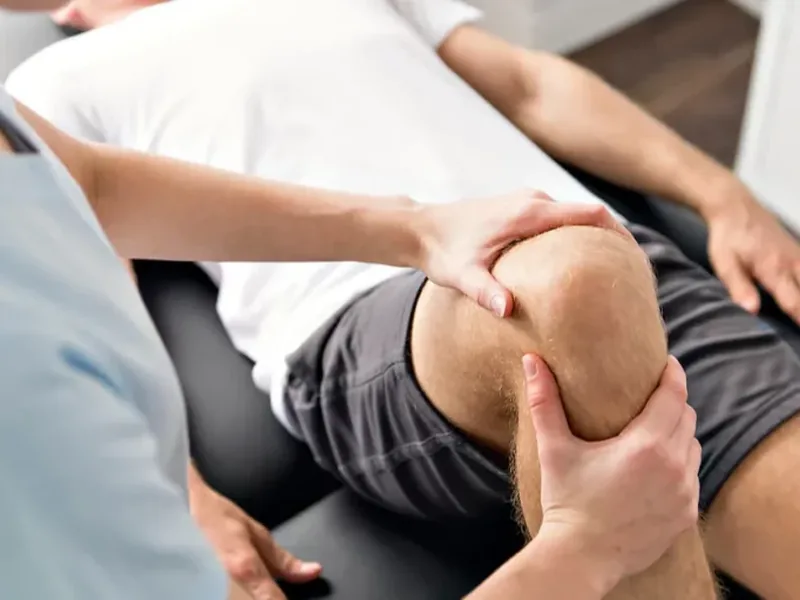
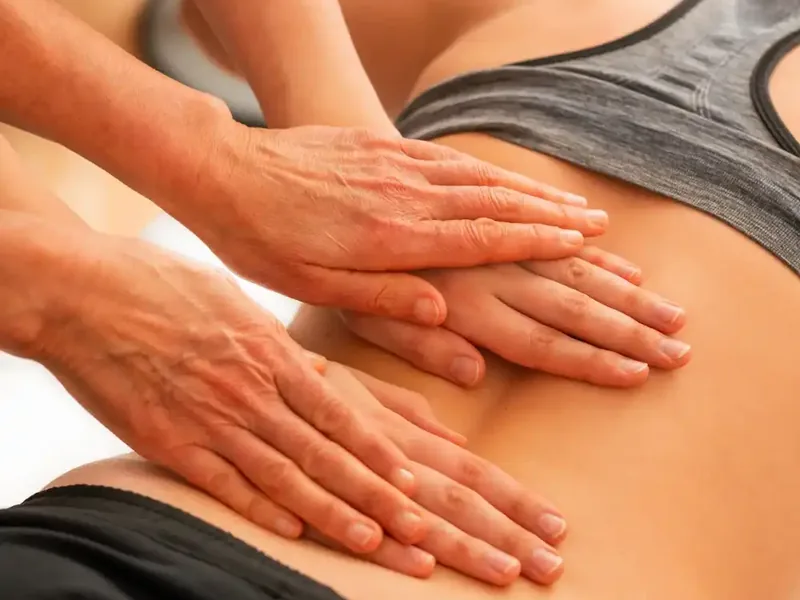
Physical therapist performing hands-on soft tissue treatment at Maritime Physical Therapy
02How PT Helps

How physical therapy in Plymouth helps.

Start with the thing most people are dreading. An internal exam is never required to begin care here, and it is not where we start. Your first visit is a conversation and an external assessment: how you move, how you breathe, how your hips, low back and abdomen are behaving. If an internal exam would genuinely add something later, we explain why, we ask, and you decide. You can decline any part of any exam at any time, without giving a reason, and your care continues. From there this is ordinary physical therapy applied to a place people rarely talk about. Manual therapy for the hips, abdomen and pelvic girdle. Breathing and down-training when the floor is holding tension. Strength and coordination when it needs support. Every session is one on one, behind a closed door, with a doctor of physical therapy, and the plan moves at the speed you set.

03What To Expect

What to expect from your care.

01

Evaluation

Massachusetts has direct access, so you can book here without a physician referral. Some insurance plans still require one for coverage, so we verify your benefits before your first visit and tell you exactly where you stand. We accept nine major carriers plus Workers' Compensation and auto injury claims, and flat self-pay rates exist if you are not covered. The visit itself starts with listening, and nothing happens that you have not agreed to first.

02

Hands-on plan

Sessions run 30 to 60 minutes, one on one with your doctor of physical therapy, and the first is a full hands-on evaluation of the areas you consent to. Early treatment is about calming things down: manual therapy through the hips, abdomen and low back, breathing work, and gentle movement that gives the pelvic floor a reason to let go. We tell you what each technique is for before we do it.

03

Rebuilding capacity

Most patients notice improvement within about six visits, and a typical plan of care runs two to three visits a week for four to six weeks. As symptoms settle we rebuild coordination between your breath, your deep abdominals and your pelvic floor, then strength through the hips and trunk. You leave with a home program you will actually do and a clear plan for what to do if things flare.

In Their Words
Dr. Brittney is great and very knowledgeable about working with pregnant women. She’s approachable and makes the sessions fun and educational!
Jackie P. · Google review
Related Conditions

The pelvis does not work alone.

Request an Appointment

Ready when you are.

HoursMon-Thu: 7:20am - 6:00pm | Fri: 7:20am - 1:00pm
Walk-insCall ahead
Book your evaluation. No referral needed in Massachusetts.
Step 1 of 5
First things first. What's your name?
We'll need a name to book you in.
Best number to reach you?
A phone number lets us confirm same-day.
And your email?
We'll send your confirmation here.
What questions do you have about your pain or injury?
A few words is all we need.
Look right? Send it.
✓
Request received.

We'll call within business hours to lock in your time.

Book Now · Schedule Appointment